Understanding the 2021 EU Energy Labels for Lights
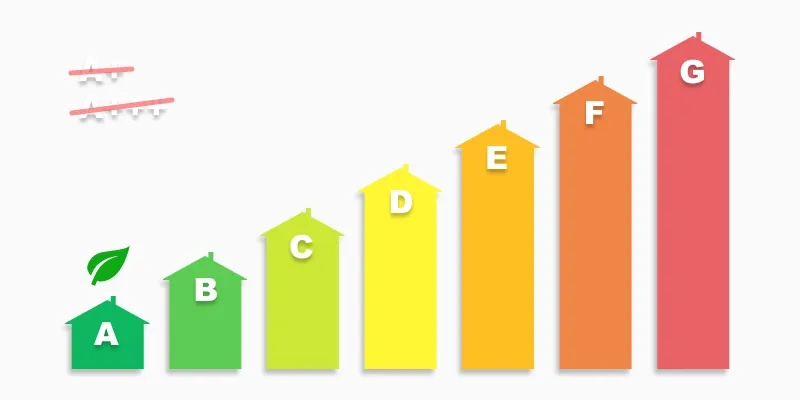
In 2021, the EU introduced a new energy label system for lights, replacing the older format. Here’s a detailed breakdown of the key differences to help you understand these updates:
Simpler A to G Scale
The new labels adopt a straightforward A-G scale, replacing the previous A+ to A+++ ratings. This makes it easier to quickly understand a bulb’s efficiency.
Stricter Ratings
The new system features more rigorous grading criteria. A bulb that was previously rated A++ might now be classified as C or D under the new scale. This change doesn’t indicate a reduction in the bulb’s performance; it reflects the overall improvements in lighting technology and higher standards for energy efficiency.
Focus on kWh Consumption
Energy consumption is now prominently displayed in kilowatt-hours per 1000 hours (kWh/1000h). This metric provides a clear understanding of actual energy use, allowing for more informed decisions.
QR Code for Additional Info
Each label includes a QR code that links to a comprehensive product database. Scanning the code provides access to detailed specifications and additional features of the bulb.
Understanding Energy Efficiency Calculation
The efficiency of a light bulb is calculated based on its luminous efficacy, which is the ratio of luminous flux (measured in lumens) to power consumption (measured in watts). The formula is:
Luminous Efficacy = Luminous Flux (lm) / Power Consumption (W)
A higher luminous efficacy indicates a more efficient light bulb.
Classification Changes, Not Energy Consumption
It’s important to note that the energy consumption of light bulbs hasn’t changed. What has changed is the classification system. The stricter criteria mean that bulbs are now rated more conservatively, providing a clearer picture of their efficiency relative to newer, more efficient technologies.
Key Takeaway
The new EU energy labels for lights aim to provide clearer, more accurate information on energy efficiency. While the classifications are stricter, they offer a better understanding of how efficient a light bulb truly is, aiding in more energy-conscious decisions.
Here are some resources to learn more: European Commission on the New Energy Label
more
Trade insight
SEAI Grant Changes October 2026: Solar PV, the New €600 Battery Grant and Heat Pumps
What changed in SEAI grants from 6 October 2026: solar PV for homes built before 2025, the new €600 battery grant, €2,000 boiler scrappage with heat pumps and 45% for business solar PV. Correct as of 6 October 2026.
Read
Consumer Units and Fuse Boards in Ireland: Choosing a Board, Including Garages and Outbuildings
Fuse board, consumer unit or distribution board: how to size one, what IP30, IP40 and IP65 mean, where surge protection comes in, and what Irish rules say about boards in garages and outbuildings.
Read
EV Home Chargers in Ireland: SEAI Grant, Choosing a Charger and Installation
How the €300 SEAI home charger grant works, how to choose between 7kW and 22kW or tethered and socketed, and what a compliant Irish installation involves. Correct as of October 2026.
Read