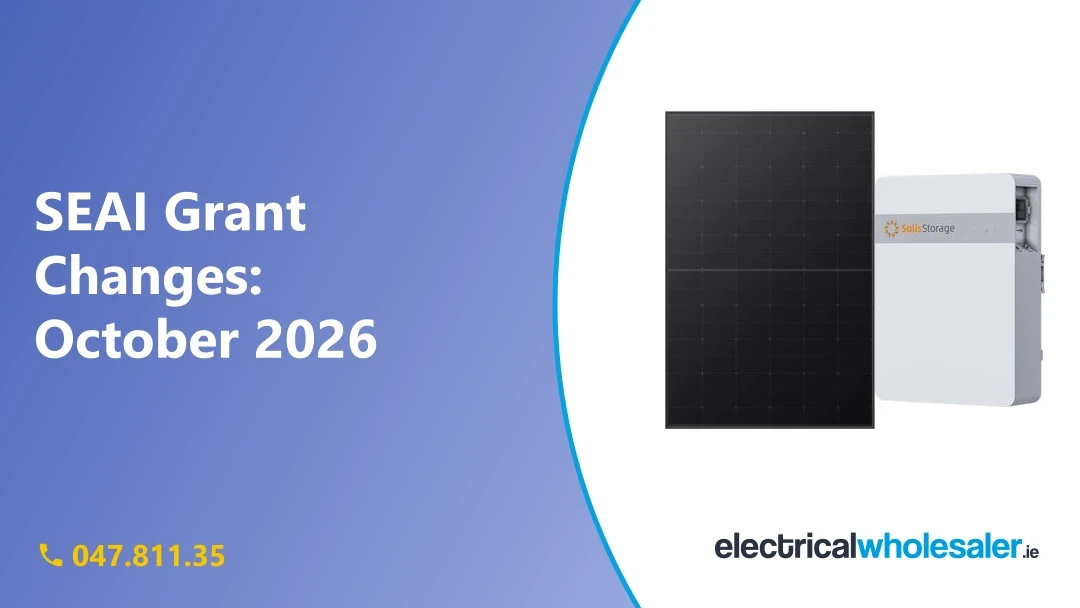
SEAI Grant Changes October 2026: Solar PV, the New €600 Battery Grant and Heat Pumps
The Government announced enhanced SEAI grants on 29 September 2026, and most of the changes open from 6 October 2026. More homes can now get the solar PV grant, there is a new €600 grant for home batteries, and heat pump grants now include up to €2,000 for scrapping a fossil fuel boiler. Business solar PV grants are also higher for a nine-month window.
This guide sets out what changed, who qualifies and what has to happen before any work starts.
Correct as of 6 October 2026, from seai.ie, gov.ie and revenue.ie. Budget 2027 is announced on 6 October 2026 and could change VAT or grants. This guide does not cover it. SEAI’s grant pages are the authority, and they can change, so check seai.ie before you apply. Some SEAI PDFs had not been updated for the 6 October changes at the time of writing. Grant amounts are the ones in effect when you apply.
What changed at a glance
- Solar PV: homes built and occupied before 2025 can now apply. The maximum grant stays at €1,800.
- Home batteries: a new flat-rate grant of €600 for batteries of 5kWh or larger, open for applications from 5pm on Tuesday 6 October 2026.
- Department of Social Protection payments: an enhanced grant of up to €9,000 for solar PV and a battery for homeowners getting certain payments, also from 5pm on 6 October 2026.
- Heat pumps: up to €2,000 for scrapping a fossil fuel heating system, bringing the maximum heat pump system grant to €14,500.
- Business solar PV: the Non-Domestic Microgen Grant pays an effective 45% rate for new applications from 8am on Wednesday 7 October 2026 to 6 July 2027.
- Solar water heating: homes built and occupied before 2025 can now apply. The grant is €1,200.
- EV home chargers: no change. The grant is still up to €300.
Solar PV grant
The grant is €700 per kWp up to 2kWp, then €200 for every additional kWp up to 4kWp, capped at €1,800. SEAI’s own example: a 2.5kWp system gets €1,500.
To qualify:
- The house must have been built and occupied before 2025. Before the change, the cut-off was 2021.
- The home needs an MPRN, and there can’t have been previous solar PV funding at that MPRN.
- Homeowners (including private landlords), owner management companies and Approved Housing Bodies can apply.
- You must use an SEAI registered company.
Before and after the job:
- Approval must be in place before works start. Costs incurred before approval are not eligible.
- The installer has to apply to ESB Networks to connect the system before installing it. SEAI says this usually takes at least 4 weeks (20 working days).
- Once approved, you have 8 months to finish the works and send in the paperwork.
- A post-works BER is required before the grant is paid. The documents SEAI asks for include the Safe Electric certificate, the completed ESB Networks NC6 form, the invoice and photos.
Applications are made online through SEAI’s solar PV portal.
New €600 home battery grant
SEAI’s new battery grant is a flat rate of €600 for home battery storage of 5kWh or larger. Batteries smaller than 5kWh are not eligible. Applications open from 5pm on Tuesday 6 October 2026.
- The home needs an MPRN and must have been built and occupied before 2025. There can’t have been previous battery funding at that MPRN.
- The battery must be installed by an SEAI registered solar PV contractor.
- Wait for the grant offer before installing. SEAI won’t accept applications for installations that have already started.
- The installer has to apply to ESB Networks to connect the battery before installing it.
- A post-works BER is required for the battery if the home has solar PV.
- You have 8 months to complete the works and submit the Declaration of Works.
If you are fitting solar PV and a battery together, one application covers both grants. If you already have a solar PV application in, you don’t need to change it: send in a new application for the battery. Together, the two grants come to a maximum of €1,800 for solar PV plus €600 for the battery.
Enhanced grant for some social welfare recipients
Homeowners getting certain Department of Social Protection payments can get an enhanced grant of up to €9,000, available from 5pm on 6 October 2026. The €9,000 is made up of €8,400 for solar panels (up to 4kWp) and €600 for a 5kWh battery.
SEAI lists the qualifying payments on its page for homeowners in receipt of Department of Social Protection payments. They include Fuel Allowance, Working Family Payment, One-Parent Family Payment, Domiciliary Care Allowance, and Carer’s Allowance where you live with the person you care for. Jobseeker’s Allowance and Disability Allowance also qualify when they have been paid for over six months and there is a child under seven. Check the full list on seai.ie.
Heat pumps and the €2,000 boiler scrappage grant
The heat pump grant is now made up of:
- up to €10,500 for the heat pump unit
- up to €2,000 for the central heating system
- up to €2,000 for swapping out an existing fossil fuel heating system, such as an oil or gas boiler, a solid fuel system or electric storage heating.
That puts the maximum heat pump system grant at €14,500 for a house with an air to water, ground source, exhaust air or water to water heat pump. For an apartment it is €11,500, and an air to air heat pump is €9,500.
- The home must have been built and occupied before 2021. The 2025 change applies to solar PV and solar water heating, not to heat pumps.
- Eligible homeowners with an existing heat pump application get the extra €2,000 automatically, including where the Declaration of Works is already in and payment is pending. SEAI says no action is needed.
- Replacing a heat pump that wasn’t grant-aided is capped at €6,500 (€4,500 for apartments), and those homes can’t get the €2,000 scrappage grant.
- Homes built before 2007 need a technical assessment before applying (SEAI gives a €200 grant towards it), unless a valid BER shows a Heat Loss Indicator of 2.3 W/(K.m²) or less.
- You need grant approval before works start, and you must use an SEAI registered contractor. The grant can’t be more than the total cost of the works.
Business solar PV: the Non-Domestic Microgen Grant
For a nine-month window, the Non-Domestic Microgen Grant (NDMG) for solar PV is raised to an effective 45% rate. SEAI says applications open at 8am on Wednesday 7 October 2026, and the window runs to 6 July 2027.
- Only new applications get the higher rate. Existing applications won’t be increased, and an applicant who has started works on an existing offer can’t seek a higher amount.
- Grant values run from €1,800 for 1kWp up to €4,800 for 4kWp to 6kWp, then €600 per kWp from 7kWp to 20kWp, €400 per kWp from 21kWp to 200kWp, and €300 per kWp from 201kWp to 1MWp. The maximum is €325,200.
- The payment is the lower of the value on the application summary or 45% of the invoiced cost.
- Batteries are not eligible costs under the NDMG.
- Businesses, the agricultural sector, public sector bodies, schools, community centres and non-profit societies can apply. SEAI’s terms and conditions say the premises must have been built before 31 December 2024, though parts of the application guide still say before 2021, so confirm with SEAI before applying.
- Don’t buy materials or start works until the letter of offer is in. Offers are valid for eight months.
- Use a registered SEAI Non-Domestic Microgen (solar PV) company. The installer applies to ESB Networks before installing, which takes at least 4 weeks (20 working days).
- Grants of more than €10,000 in a calendar year need a Tax Clearance Certificate.
Announced, but not open yet
The 29 September announcement also included measures that SEAI had not yet published application details for on 6 October 2026. The Government said all measures open from 6 October “subject to final implementation arrangements”.
- Solar PV (up to 4kWp) and a 5kWh battery as standard under the fully funded Warmer Homes Scheme.
- Business heat pumps and solar thermal under the Business Energy Upgrades Scheme at 45% of eligible costs. SEAI’s pages still showed up to 30% at the time of writing.
- A Dublin pilot for homes in RAS tenancies, with up to €9,000 for solar PV and a battery. SEAI’s landlord page mentions it but does not yet say how to apply.
Don’t plan a job around these until SEAI publishes the scheme details.
Solar water heating and EV chargers
Solar water heating is now open to homes built and occupied before 2025. The grant is €1,200 regardless of property type, and you need approval before works start.
The EV home charger grant hasn’t changed. It is still up to €300 towards buying and installing a home charger. The charger must be on SEAI’s Smart Charger Register and installed by a Safe Electric Registered Electrical Contractor, and no work can start before the date on the Letter of Offer. Our EV home charger guide covers it in detail.
VAT on solar panels and batteries
Revenue’s current guidance (Tax and Duty Manual, last reviewed May 2025) says that since 1 May 2023, the zero rate of VAT applies to the supply and installation of solar panels on or beside private dwellings. It also covers equipment supplied and installed with the panels under the same contract, which Revenue says includes the wiring, the controller and the batteries. Revenue’s guidance covers batteries only when they are supplied and installed with the panels under the same contract. Solar panels supplied without an installation contract are charged at the standard rate.
For installers
- The customer’s grant approval or offer has to be in place before you buy materials or start work. Costs incurred before approval can cost the customer the whole grant.
- Each scheme needs its own SEAI registration: solar PV company for domestic solar PV and batteries, Non-Domestic Microgen company for business solar PV, and an SEAI registered contractor for heat pumps.
- Allow at least 4 weeks for the ESB Networks connection application before a solar PV or battery install.
- The payment paperwork includes the Safe Electric certificate and the completed NC6 form, so keep them with the job file.
We stock solar panels, solar inverters, solar batteries and solar mounting. Our branches can help with quantities and a quote for the job.
more
Trade insight
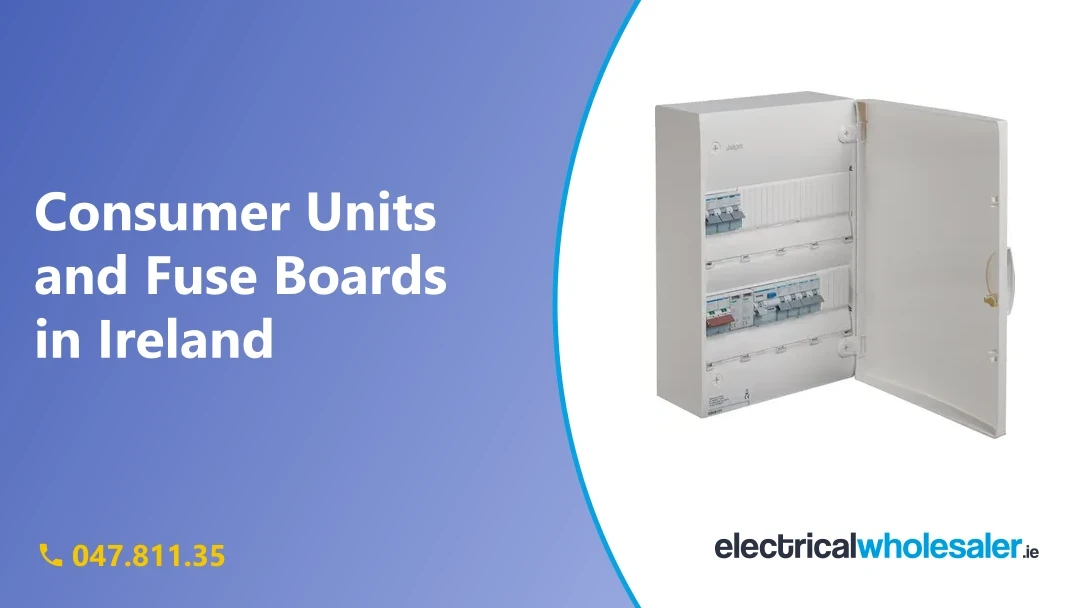
Consumer Units and Fuse Boards in Ireland: Choosing a Board, Including Garages and Outbuildings
Fuse board, consumer unit or distribution board: how to size one, what IP30, IP40 and IP65 mean, where surge protection comes in, and what Irish rules say about boards in garages and outbuildings.
Read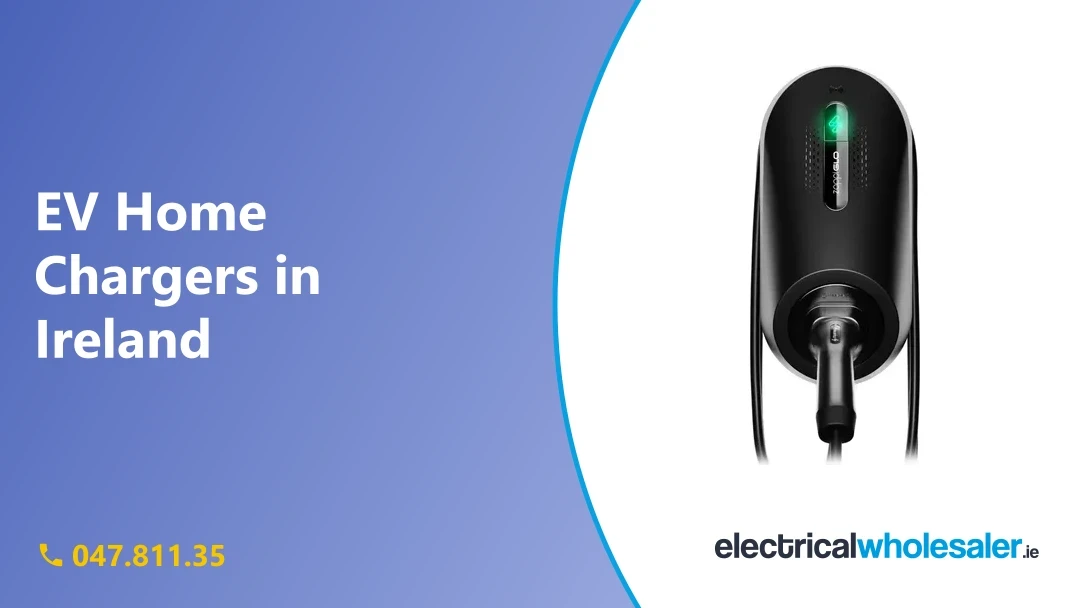
EV Home Chargers in Ireland: SEAI Grant, Choosing a Charger and Installation
How the €300 SEAI home charger grant works, how to choose between 7kW and 22kW or tethered and socketed, and what a compliant Irish installation involves. Correct as of October 2026.
Read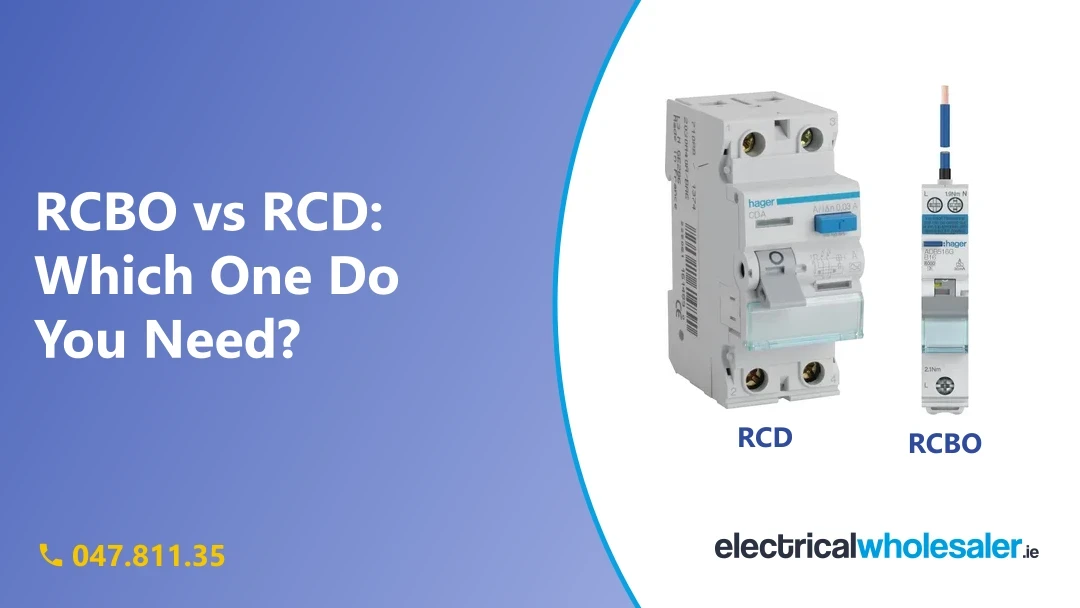
RCBO vs RCD: Which One Do You Need? (Irish Guide)
RCDs and RCBOs both trip on earth leakage, but only an RCBO also protects a single circuit against overcurrent. How they differ, how they are rated and where each fits under I.S. 10101.
Read